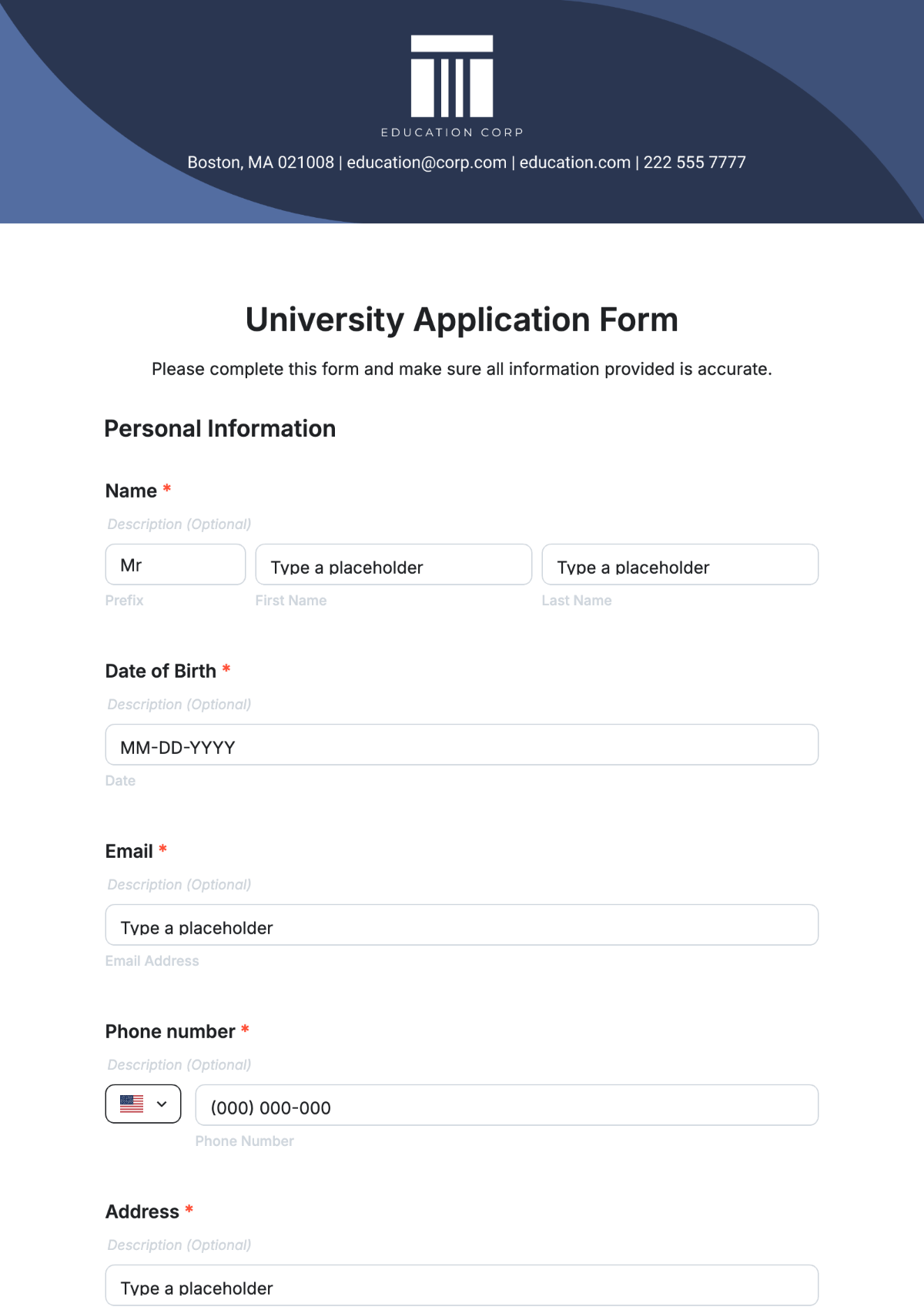
As a potential occupant, you should expect a proprietor to evaluate you before signing the lease. Problems that the landlord most likely wishes to resolve include whether you are most likely to take correct care of the home, whether you pay lease promptly, whether you unreasonably whined to previous landlords, and whether you caused problems with your previous other lessees or next-door neighbors. If you have a pet, as an example, the property manager will certainly wish to validate that you understand how to manage it to ensure that it does not disturb others.
Information Covered on a Rental Application
A few of the common issues attended to on rental applications include a possible lessee’s criminal history, credit rating, and any kind of previous evictions by previous landlords. Landlords might ask about the nature of your work and revenue resources, and people that are self-employed might be more carefully vetted.More Here Correct New Jersey House Rental Application PDF At our site While property managers can not discriminate on the basis of migration standing, they can ask for evidence of an international national’s lawful condition in the U.S. They can additionally request for determining information like a Social Security number or driver’s certificate.
In many cases, a potential occupant may choose to fulfill a proprietor with a finished rental application currently in hand, together with their credit score record and referrals from previous proprietors and others. This is not called for but can be a means to begin the partnership on a strong footing.
A property manager might want more details regarding a possible occupant’s pet dog. It may be an excellent concept to gather positive references from previous landlords or neighbors and any other evidence of etiquette, such as obedience or training certifications.
History and Reference Checks
As opposed to taking the details on the application at face value, proprietors will typically follow up by checking it with a possible tenant’s property owners. They additionally might ask an employer or a credit history reporting firm to confirm information related to earnings and credit rating. Landlords should obtain a finished approval kind from a lessee to do this, but approving this authorization is basic.
Tenants do have civil liberties during this process. Landlords may not use the history check procedure to help the discriminate against certain groups whom they do not want on their home, such as groups specified by race, religion, or national origin. They additionally are not allowed to ask irrelevant concerns that attack a potential lessee’s privacy. The permission kind ought to be worded in a way that shields the rights of renters by restricting the extent of the details offered to the property owner.
If you had an aggressive partnership with your current proprietor or a prior proprietor, you may wish to provide your side of the tale before they present their own. You could be able to provide a prospective property owner with police reports going over security issues if this was an aspect, or there could be public records revealing code offenses by the present or prior landlord, for example.
3rd parties whom the proprietor contacts are not required to communicate with the property manager, even if the lessee has completed the consent form and even if the lessee inquires to supply information.
Checking Credit Score News
Landlords often will intend to look into a prospective occupant’s credit rating. They can find out if you have been late in paying your rental fee, forced out, founded guilty, or otherwise involved in litigation at any moment in the last 7 years. Likewise, they can discover whether you have actually applied for bankruptcy in the last one decade. Prospective tenants may require to pay a tiny cost to cover the cost of the check. They may even want to conduct a check on their very own in advance so that they can deal with any issues or prepare an explanation for them.
The federal Fair Credit history Reporting Act gives you the right to learn the identification of a credit coverage company that reported negative information concerning you if this resulted in a property owner rejecting you or billing greater rental fee. You have a right to obtain a totally free duplicate of your data from the company, but you have to request it within 60 days of the landlord rejecting you. You can challenge the precision of the information in the record, although the property manager will certainly educate you that the company did not make the decision not to rent to you and is not responsible for discussing why you were rejected.